- |
User Links


 My Starred Hymns
 My FlexScores
 My Hymnals
 My Purchased Files
William Henry Gladstone
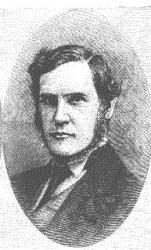
www.hymntime.com/tch/
| Short Name: | William Henry Gladstone |
| Full Name: | Gladstone, William Henry, 1840-1891 |
| Birth Year: | 1840 |
| Death Year: | 1891 |
Born: June 3, 1840, Hawarden, Flintshire, Wales.
Died: July 4, 1892, Westminster, London, England.
Eldest son of British prime minister William Gladstone, William attended Eton College and read Greek and Latin at Christ Church College, Oxford University. A Member of Parliament for a total of 20 years, representing Chester for 3; Whitby, Yorkshire for 12; and East Worcestershire for 5. A singer and organist, he was well versed in musical history, especially the development of Anglican church music. He wrote on musical topics, and one of the views he expressed was that choral church services were to be deplored because "the choirs often discourage the congregations from singing." He wrote the anthems "Gracious and Righteous" and "Withdraw Not Thou", & chants, anthems, introits & organ voluntaries. His works include:
A Selection of Hymns and Tunes, 1882
--www.hymntime.com/tch/
Hymnary Pro Subscribers
Access an additional article on the Canterbury Dictionary of Hymnology:
Access an additional article on the Canterbury Dictionary of Hymnology:
Hymnary Pro subscribers have full access to the Canterbury Dictionary of Hymnology.
Get Hymnary Pro
Texts by William Henry Gladstone (1) | As | Authority Languages | Instances |
|---|---|---|---|
| Dear God, the sun whose light is sweet | W. H. Gladstone (Author) | 1 |
Data Sources
Suggestions or corrections? Contact us