You help make Hymnary.org possible.

In 2025, more than 10 million people from 200+ countries found hymns, liturgical resources, and encouragement here. If Hymnary has meant something to you this year, would you take a moment to help sustain it? A gift of any size — and a note of encouragement, if you'd like to share one — directly supports the server costs, research, and curation that keep this resource freely available to the world.

Give securely online today, or mail a check to:
Hymnary.org (c/o Calvin University)
3201 Burton Street SE
Grand Rapids, MI 49546

Thank you for being part of this important online ministry resource.

மகா அற்புதம்

Representative Text

1 மகா அற்புதம்,
மா பாவியாம் என்னை
மீட்ட உம் அன்பு
தொலைந்தலைந்தேனே
என்னை கண்டீரே, கண்
காணேனிப்போ காண்கிறேன்.

2 உம் கிருபையினால்,
நான் நடுங்கி,
உம் தயவால் மீண்டேன்
உம் காருண்யம்தான்
என் ஆஸ்தியாம்,
நான் நம்பினவேளை முதல்.

3 என் வாழ்வில்
நான் கடந்தது,
துன்பம் மா வேதனை,
உம் வல்லமை,
இம்மட்டுமே
வழி நடத்திற்றே.

4 என் தேவன்
எனக்காய்த்தந்த,
தம் வாக்குதத்தம் உண்மை
அவர் என்னை
தற்காப்பாரே,
வாழ் நாள் முழுதுமே.

5 என் மாம்சமும்
என் துடிப்பும்,
நின்று நான் சாகையில்
என்னுள்ளில் அவர்
தந்ததே, இன்ப சமாதானமே.

6 பனி போலவே,
இவ்வுலகம்,
சூர்யனும் தோன்றாதே,
நம் தேவன் இன்றும்
என்றும் உண்டங்கே,
இருப்பார் நம்முடன்.

7 அங்கே நாம் என்றும்
வாழ்வோம் நித்யம்,
பிரகாசமாய் தோன்றி,
என்றென்றும் நாம் அவர்
துதி பாடி போற்றி மகிழ்வோம்.

Source: The Cyber Hymnal #15792

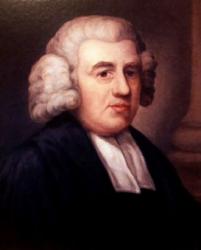
Author: John Newton

John Newton (b. London, England, 1725; d. London, 1807) was born into a Christian home, but his godly mother died when he was seven, and he joined his father at sea when he was eleven. His licentious and tumul­tuous sailing life included a flogging for attempted desertion from the Royal Navy and captivity by a slave trader in West Africa. After his escape he himself became the captain of a slave ship. Several factors contributed to Newton's conversion: a near-drowning in 1748, the piety of his friend Mary Catlett, (whom he married in 1750), and his reading of Thomas à Kempis' Imitation of Christ. In 1754 he gave up the slave trade and, in association with William Wilberforce, eventually became an ardent abolitionist. After becoming a tide… Go to person page >

Translator: John Barathi

Born: Ju­ly 12, 1960, Dan­ish Mis­sion Hos­pi­tal, Ti­ru­ko­vi­lur, Ta­mil Na­du, In­dia. A fourth-ge­ne­ra­tion Christ­ian, Ba­ra­thi is the son of E. Soun­da­ra­ra­jan (1932–1997), a Pres­by­ter­ian pas­tor in Chen­nai for 47 years, and Ru­by Vi­ru­tham­bal, and hus­band of Eve­lyn Pris­cil­la Va­san­thi. In 1986, he earned a Ba­che­lor of Arts in psy­cho­lo­gy (and passed Grade VIII Class­ic­al Gui­tar, Tri­ni­ty Col­lege Ex­ams at the Chen­nai Lo­cal Cen­ter). In 1989, he comp­let­ed a Ba­che­lor of Arts in Church Mu­sic from the As­ian In­sti­tute for Li­tur­gy and Mu­sic in Ma­ni­la, Phil­ip­pines. By 1992 he was back in In­dia, where he mar­ried Ev­elyn; th… Go to person page >

Text Information

First Line: மகா அற்புதம் (Makā aṟputam)
Title: மகா அற்புதம்
English Title: Amazing grace, how sweet the sound
Author: John Newton
Translator: John Barathi
Language: Tamil
Copyright: Public Domain

Tune

NEW BRITAIN

NEW BRITAIN (also known as AMAZING GRACE) was originally a folk tune, probably sung slowly with grace notes and melodic embellishments. Typical of the Appalachian tunes from the southern United States, NEW BRITAIN is pentatonic with melodic figures that outline triads. It was first published as a hy…

Go to tune page >


Media

The Cyber Hymnal #15792
  • PDF (PDF)
  • Noteworthy Composer Score (NWC)

Instances in all hymnals

Instances (1 - 1 of 1)
TextScoreAudio

The Cyber Hymnal #15792

Suggestions or corrections? Contact us
It looks like you are using an ad-blocker. Ad revenue helps keep us running. Please consider white-listing Hymnary.org or getting Hymnary Pro to eliminate ads entirely and help support Hymnary.org.