You help make Hymnary.org possible. More than 10 million people from 200+ countries found hymns, liturgical resources and encouragement on Hymnary.org in 2025, including you. Every visit affirms the global impact of this ministry.

If Hymnary has been meaningful to you this year, would you take a moment today to help sustain it? A gift of any size—paired with a note of encouragement if you wish—directly supports the server costs, research work and curation that keep this resource freely available to the world.

Give securely online today, or mail a check to:
Hymnary.org
Calvin University
3201 Burton Street SE
Grand Rapids, MI 49546

Thank you for your partnership, and may the hope of Advent fill your heart.

Now let us all arise and sing

Representative Text

1. Now let us all arise and sing
The coming kingdom of our king,
The time when all shall brothers be,
Each loving each, all loving Thee.
How long, O Lord, O Lord, how long
Shall these Thy weak ones suffer wrong?

2. O when shall dawn the glorious day
For which we hope and work and pray?
Dear Father, use what means Thou wilt
To cleanse our lives from greed and guilt;
Help us to put away our sin
And learn to bring Thy kingdom in.

Source: The Cyber Hymnal #4558

Author: Emily Greene Balch

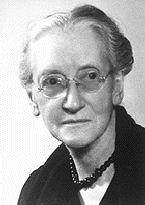
Emily Greene Balch was born near Boston. She graduated from Bryn Mawr in 1889, focusing on economics. She began a teaching career at Wellesley College in 1896 focusing on the economic roles of women, immigration and consumption. She was a longtime pacifist, supporting conscientious objectors. She became a leader in the international peace movement and won the Nobel Peace Prize in 1946 for her work with the Women's International League for Peace and Freedom (WILPF). Dianne Shapiro Go to person page >

Text Information

First Line: Now let us all arise and sing
Author: Emily Greene Balch (1913)
Language: English
Publication Date: 1914
Copyright: Public Domain

Tune

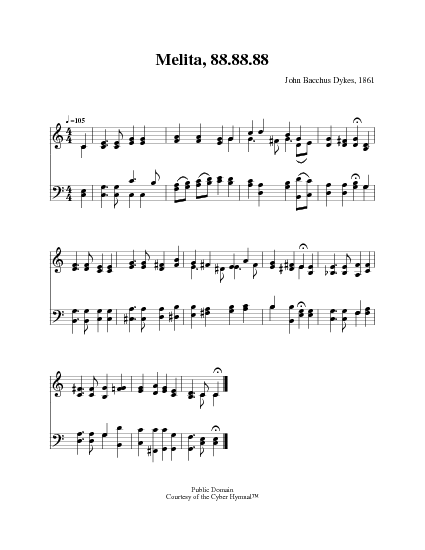
MELITA (Dykes)

The original chant melody associated with this text [i.e., "Eternal Father, strong to save"] is found in most hymnals of denominations where chant has played a role, including the Lutheran tradition, which has produced much organ music on this well-known chant. The setting here is by John B. Dykes (…

Go to tune page >


Timeline

Media

The Cyber Hymnal #4558
  • Adobe Acrobat image (PDF)
  • Noteworthy Composer score (NWC)
  • XML score (XML)

Instances

Instances (1 - 1 of 1)
TextScoreAudio

The Cyber Hymnal #4558

Include 13 pre-1979 instances
Suggestions or corrections? Contact us
It looks like you are using an ad-blocker. Ad revenue helps keep us running. Please consider white-listing Hymnary.org or getting Hymnary Pro to eliminate ads entirely and help support Hymnary.org.