Go Ad-Free
If you regularly use Hymnary.org, you will definitely enjoy all the perks of a Hymnary Pro subscription. Plus, your subscription supports our mission in a big way!

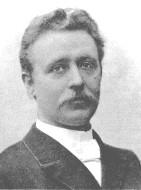 Boberg, Carl Gustaf. (Mönsterås, Sweden, August 16, 1859--January 7, 1940, Kalmar). Swedish Covenant. Bible school at Kristinehamn. Editor of Sanningsvittnet 1890-1916, organ of the Evangelical National Foundation. Member of the Swedish Parliament, 1912-1931. Popular speaker and appreciated writer. Published several collections of poetry and a number of hymns. Member of committee responsible for first two hymnals of the Swedish Covenant. Author of "Jesus, Jesus, O det ordet" ("Jesus, Jesus, Name Most Precious"); "Min själ berömmer Gud med fröjd" (My Soul Now Magnifies the Lord"); "O store Gud" ("O Mighty God"). The text now known as "How Great Thou Art" is an English translation of a Russian version based on an earlier German translati… Go to person page >






 My Starred Hymns
 My FlexScores
 My Hymnals
 My Purchased Files