
 My Starred Hymns
 My FlexScores
 My Hymnals
 My Purchased Files
Church Music, a Collection of Hymn Tunes. #d106
Display Title: My heart lies dead, and no increase First Line: My heart lies dead, and no increase Author: George Herbert Date: 1855
Church Music, a Collection of Hymn Tunes. #d106
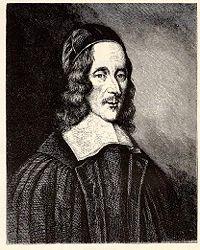 Herbert, George, M.A., the fifth son of Richard Herbert and Magdalen, the daughter of Sir Richard Newport, was born at his father's seat, Montgomery Castle, April 3, 1593. He was educated at Westminster School, and at Trinity College, Cambridge, graduating B.A. in 1611. On March 15, 1615, he became Major Fellow of the College, M.A. the same year, and in 1619 Orator for the University. Favoured by James I., intimate with Lord Bacon, Bishop Andrewes, and other men of influence, and encouraged in other ways, his hopes of Court preferment were somewhat bright until they were dispelled by the deaths of the Duke of Richmond, the Marquis of Hamilton, and then of King James himself. Retiring into Kent, he formed the resolution of taking Holy Orders… Go to person page >