

 My Starred Hymns
 My FlexScores
 My Hymnals
 My Purchased Files
The Church Service Book #129a
Tune Title: [O Lord rebuke me not in thine indignation] First Line: O Lord rebuke me not in thine indignation Composer: Henry Purcell Key: a minor or modal Date: 1906
The Church Service Book #129a

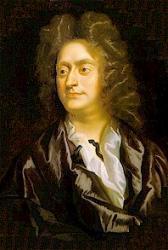 Henry Purcell (b. Westminster, London, England, 1659; d. Westminster, 1695), was perhaps the greatest English composer who ever lived, though he only lived to the age of thirty-six. Purcell's first piece was published at age eight when he was also a chorister in the Chapel Royal. When his voice changed in 1673, he was appointed assistant to John Hingston, who built chamber organs and maintained the king's instruments. In 1674 Purcell began tuning the Westminster Abbey organ and was paid to copy organ music. Given the position of composer for the violins in 1677, he also became organist at Westminster Abbey in 1679 (at age twenty) and succeeded Hingston as maintainer of the king's instruments (1683). Purcell composed music for the theater (D… Go to person page >




