- |
User Links


 My Starred Hymns
 My FlexScores
 My Hymnals
 My Purchased Files
William Henry Monk
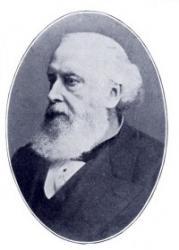
www.hymntime.com/tch
| Short Name: | William Henry Monk |
| Full Name: | Monk, William Henry, 1823-1889 |
| Birth Year: | 1823 |
| Death Year: | 1889 |
William H. Monk (b. Brompton, London, England, 1823; d. London, 1889) is best known for his music editing of Hymns Ancient and Modern (1861, 1868; 1875, and 1889 editions). He also adapted music from plainsong and added accompaniments for Introits for Use Throughout the Year, a book issued with that famous hymnal. Beginning in his teenage years, Monk held a number of musical positions. He became choirmaster at King's College in London in 1847 and was organist and choirmaster at St. Matthias, Stoke Newington, from 1852 to 1889, where he was influenced by the Oxford Movement. At St. Matthias, Monk also began daily choral services with the choir leading the congregation in music chosen according to the church year, including psalms chanted to plainsong. He composed over fifty hymn tunes and edited The Scottish Hymnal (1872 edition) and Wordsworth's Hymns for the Holy Year (1862) as well as the periodical Parish Choir (1840-1851).
Bert Polman
Hymnary Pro Subscribers
Access an additional article on the Canterbury Dictionary of Hymnology:
Access an additional article on the Canterbury Dictionary of Hymnology:
Hymnary Pro subscribers have full access to the Canterbury Dictionary of Hymnology.
Get Hymnary Pro
Texts by William Henry Monk (3) | As | Authority Languages | Instances |
|---|---|---|---|
| Abide with me: fast falls the eventide | William M. Monk (Author) | English | 2 |
| Those eternal bowers man hath never trod | W. H. Monk (Author) | English | 1 |
| We praise Thee, Lord, with earliest morning ray | William H. Monk (Author) | English | 1 |
Data Sources
Suggestions or corrections? Contact us