

 My Starred Hymns
 My FlexScores
 My Hymnals
 My Purchased Files
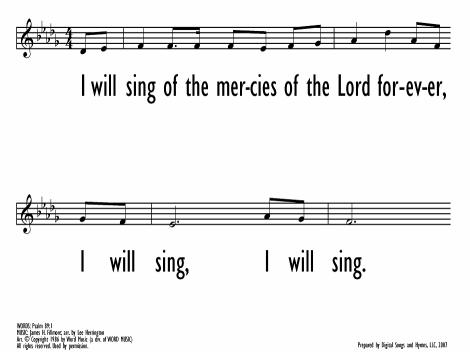
Baptist Hymnal 2008 #625
Display Title: I Will Sing of the Mercies First Line: I will sing of the mercies of the Lord forever Tune Title: FILLMORE Meter: Irregular meter Scripture: Psalm 89:1 Date: 2008
Baptist Hymnal 2008 #625
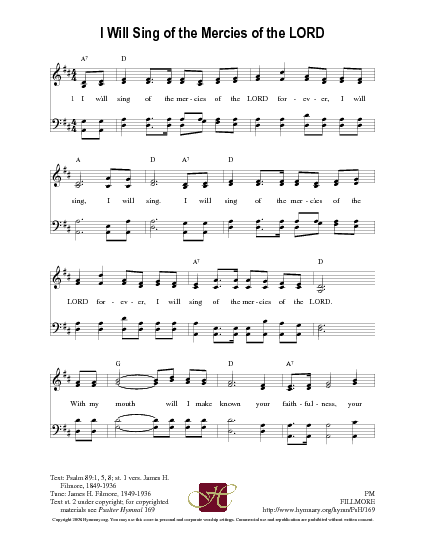
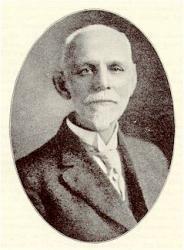 James Henry Fillmore USA 1849-1936. Born at Cincinnati, OH, he helped support his family by running his father's singing school. He married Annie Eliza McKrell in 1880, and they had five children. After his father's death he and his brothers, Charles and Frederick, founded the Fillmore Brothers Music House in Cincinnati, specializing in publishing religious music. He was also an author, composer, and editor of music, composing hymn tunes, anthems, and cantatas, as well as publishing 20+ Christian songbooks and hymnals. He issued a monthly periodical “The music messsenger”, typically putting in his own hymns before publishing them in hymnbooks. Jessie Brown Pounds, also a hymnist, contributed song lyrics to the Fillmore Music Hous… Go to person page >